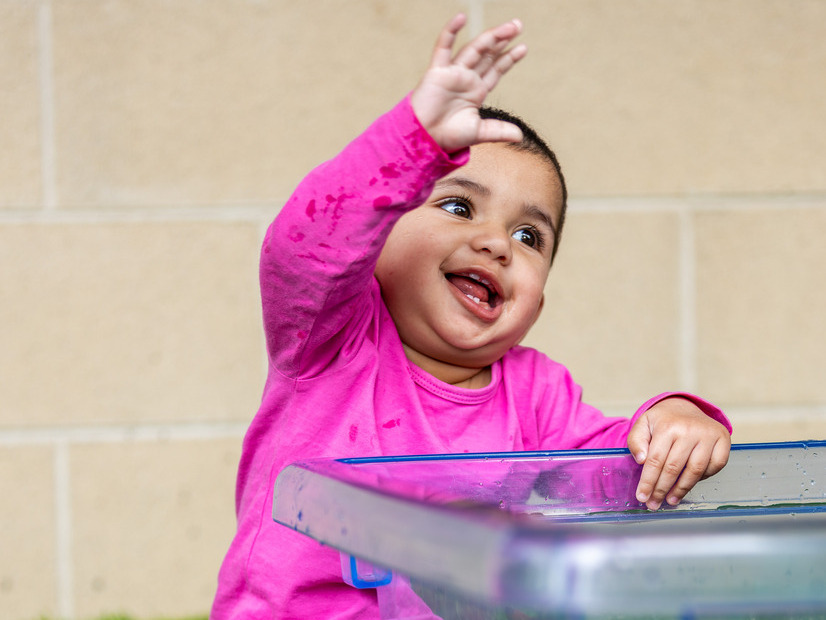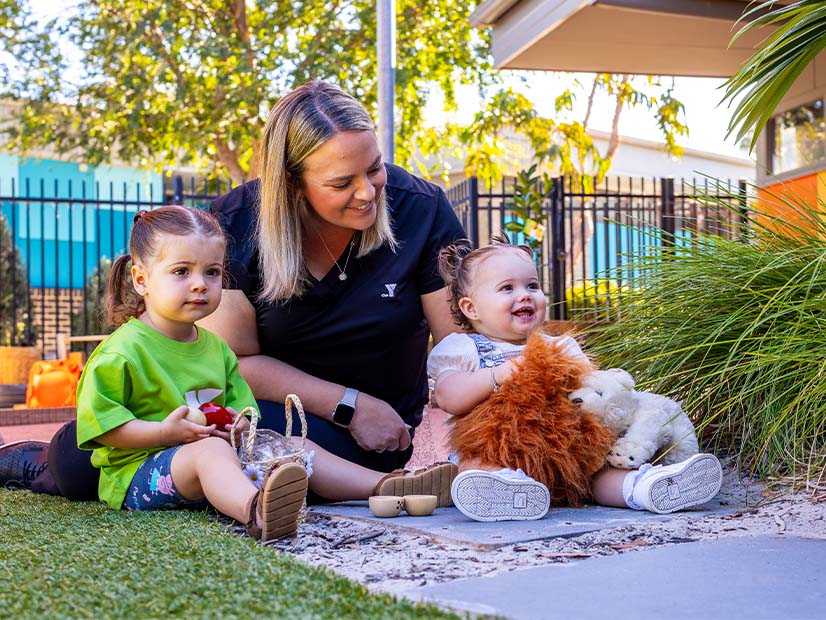
Watching your child take their first steps towards independence is a wonderful experience. It’s amazing to see them explore, make decisions and complete simple tasks by themselves.
At the Y, nurturing age-appropriate independence is an important part of our early learning programs, as it helps children grow into confident and capable individuals.
In this article, we explain how we encourage independence in our nursery and toddler rooms, why it’s so important, and how you can build on these skills at home.
Key things to know about toddler independence
- When it starts: Signs of independence often begin around 12 to 18 months and become more noticeable between 2 and 3 years.
- Why it matters: Encouraging children to be independent builds their confidence, resilience, problem-solving, curiosity to learn, and social skills.
- How to build independence: Let your child try things first, create safe spaces for them to explore, offer them simple choices, involve them in tasks, and use positive praise.
At what age do children start gaining independence?
Children usually start to show signs of independence between 12 and 18 months. By the time they reach two or three years old, you may notice them asserting themselves more often.
For example, your child may start wanting to complete small tasks by themselves, like washing their hands or putting on their shoes. They may also start making simple decisions like what book to read or what clothing to wear.
Children love to do things by themselves, and it’s important to support and encourage them as they navigate this stage in their development.
Why is encouraging independence important?
It’s important to encourage your child’s independence as it helps them to:
Gain confidence and resilience
When children are trusted to do things on their own, they feel a great sense of achievement which builds their self-belief and self-worth. Even if your child is unsuccessful at first, this builds their emotional resilience and willingness to try again.
Learn how to problem-solve
Encouraging children to complete tasks independently also helps to develop their problem-solving skills. For example, figuring out how to put on a sock or playing with a new toy allows them to discover how things work. This prepares them for managing different situations going forward.
Develop a love of learning
Giving children the freedom to explore their interests gives them a sense of choice, ownership and confidence in their abilities. This makes learning more enjoyable, which means they’ll be more motivated to learn and discover new things in the future.
Build their social skills
Encouraging independence can also support children’s social development. Independent children often feel more comfortable and confident communicating, interacting and sharing with their peers.
How we build toddler independence at the Y Early Learning
At the Y Early Learning, our experienced educators nurture children’s independence through our play-based curriculum and thoughtfully designed rooms, encouraging them to make choices, develop self-help skills, interact with others and try new things.
Play-based learning
Our play-based approach helps children gain independent skills through hands-on experiences. Children can engage in activities that interest them, which helps them make decisions and explore their curiosity. Through play, they also learn how to solve problems and develop important social skills like sharing, taking turns, and working with others.
Safe, engaging rooms
Our toddler rooms enable children to build independence in a safe, supportive environment. With a range of play spaces and learning materials available, there are plenty of opportunities for children to freely explore, try new things and develop self-help skills.
Experienced educators
Our educators actively play alongside children to support their learning and development. They encourage children to play at their own pace and praise their efforts, empowering them to be curious and confident in everything they do.
An example of independence from our Taylors Hill Early Learning Centre
We see children’s independence grow every day, and at our Taylors Hill Early Learning Centre, the children have reached a big milestone: learning how to carry their own bed mats and put on their sheets all by themselves!
With gentle guidance from our educators and lots of practice, the children now proudly take responsibility for setting up their own rest spaces. This daily routine helps build self-help skills and gives the children a real sense of accomplishment.
How can parents encourage toddler independence at home?
Here are a few simple things you can do to nurture your child’s independence at home:
- Wait before stepping in: Let your child attempt simple tasks, like putting on a jacket, before you offer help.
- Create safe spaces: Set up areas at home for free exploration using child-safe furniture and soft play mats.
- Use open-ended toys: Items like blocks or cardboard boxes allow for creative freedom and independent play. See our loose parts play guide for some fun ideas.
- Offer simple choices: Ask your toddler to pick between two healthy snacks or two different outfits to help them learn decision-making.
- Involve them in chores: Let your child help with basic household tasks, like putting away their toys or wiping a low table. This teaches responsibility and helps children feel capable.
- Use positive praise: Warmly praise your child’s efforts rather than just the final result. You could say things like "I love how hard you tried to put your shoes on!" to boost their confidence.
Taking the next steps for your independent toddler
Building independence in the early years is all about providing a safe, supportive environment where young children feel empowered to try things on their own.
At the Y, our play-based curriculum, safe and engaging rooms, and experienced educators help children build independent skills that set them up for the future.
Learn more about our nursery and toddler programs, or find a centre near you to start your child’s journey at the Y.